

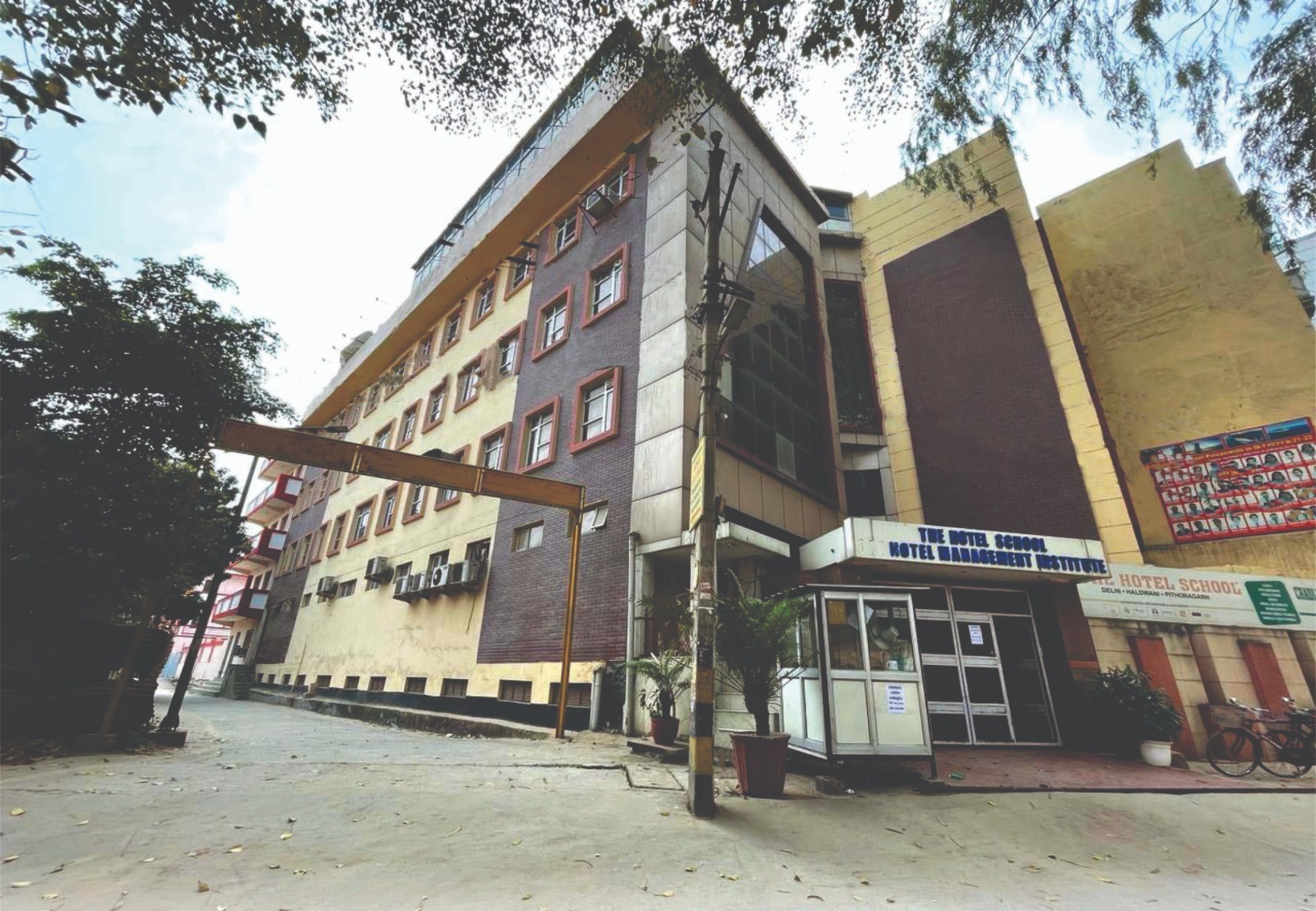
Choosing the right career after Class 12 is an important decision for students. While traditional academic programmes remain popular, many students are also exploring career-oriented courses that combine education with practical skills and industry exposure.
Hotel management is one such field. The hospitality industry offers opportunities across hotels, resorts, restaurants, catering companies, airlines, cruise lines, events, tourism and other service-related businesses.
However, choosing a hotel management course should involve more than simply looking at the course name or fee. Students should compare the curriculum, practical training, duration, eligibility, industry exposure, internships, qualification and career opportunities before making a decision.
This guide explains the important factors students should consider when choosing a hotel management course after 12th.
What Is Hotel Management?
Hotel management is a broad field that covers the different operations involved in running hotels and other hospitality businesses.
Depending on the programme, students may learn about:
- Food Production
- Food and Beverage Service
- Front Office Operations
- Housekeeping
- Hospitality Operations
- Tourism
- Event Management
- Customer Service
- Communication Skills
- Professional Grooming
The hospitality industry is highly practical, which means students can benefit from programmes that combine classroom learning with hands-on training.
A good course should help students understand both the theoretical concepts and the practical procedures used in professional hospitality environments.
Can You Pursue Hotel Management After 12th?
Yes. Students who have completed Class 12 can explore several hospitality education pathways, although eligibility requirements vary depending on the programme and institution.
Hotel management can be suitable for students who enjoy practical learning, communication, teamwork and working with people.
Students considering this career should ask themselves whether they are interested in areas such as:
- Hotels and resorts
- Food and culinary operations
- Restaurants and cafés
- Tourism
- Events
- Customer service
- Travel
- Hospitality management
An interest in the industry, willingness to learn practical skills and the ability to work as part of a team can be useful qualities for students planning a career in hospitality.
What Types of Hotel Management Courses Are Available After 12th?
One of the first decisions students need to make is which type of programme matches their academic and career goals.
Depending on the institution, students may find certificate, diploma, advanced diploma and degree-level programmes.
Diploma and Advanced Diploma Courses
Diploma programmes generally focus on developing practical and professional skills within a defined period.
Students looking for a Diploma in Hotel Management in Delhi should compare the curriculum, duration, practical training and industry exposure offered by different institutions.
For example, The Hotel School’s Advanced Diploma in Hospitality Operations is a two-year programme that includes industrial training. The programme covers areas including food production, food and beverage service, front office operations, housekeeping, travel and tourism management and communication skills.
A diploma or advanced diploma can be an option for students who want to develop industry-oriented skills and prepare for entry-level hospitality roles.
Degree Programmes
Students who want a degree-level qualification can explore bachelor’s programmes in hotel or hospitality management.
When comparing a Degree in Hotel Management in Delhi, students should look beyond the qualification title and understand how the programme is structured.
For instance, The Hotel School currently describes a diploma-to-degree pathway in which students complete an Advanced Diploma in Hospitality Operations before progressing to the third year of a university degree. The pathway combines practical hospitality training with further academic progression.
Students should always verify the awarding institution, qualification structure, eligibility requirements and progression route before admission.
Specialised Food Production Courses
Not every student wants to study every area of hotel operations. Some students are particularly interested in professional cooking, culinary skills and kitchen operations.
In such cases, a specialised Food Production Course in Delhi may be worth considering.
Food production programmes can cover areas such as food preparation, professional cooking, kitchen operations, food safety, hygiene, bakery fundamentals and menu planning. The current Food Production programme offered by The Hotel School combines classroom learning with practical culinary training and industry exposure.
This type of programme can be suitable for students who are particularly interested in culinary and kitchen-based careers.
Why Practical Training Matters in Hotel Management
Hospitality is a hands-on industry. Students eventually need to apply their knowledge in professional kitchens, restaurants, hotels and other hospitality environments.
For this reason, practical training should be one of the most important factors when comparing courses.
Students should find out whether the programme provides opportunities for:
- Practical kitchen training
- Restaurant-service practice
- Front office simulations
- Housekeeping training
- Workshops
- Industry visits
- Guest lectures
- Industrial training
- Internships
- Live demonstrations
Practical exposure can help students become familiar with workplace procedures, professional standards and teamwork before they begin their careers.
For example, the Advanced Diploma programme at The Hotel School includes practical sessions, vocational practicals and industrial exposure as part of its learning approach.
How to Choose a Hotel Management Institute in Delhi
Delhi NCR has several institutions offering hospitality-related programmes. This can make the selection process challenging for students and parents.
When evaluating a Hotel Management Institute in Delhi, consider the following factors.
- Course Curriculum
First, examine the subjects taught in the programme.
A broad hospitality curriculum may include food production, food and beverage service, front office, housekeeping, tourism, event management and communication skills.
If you already have a specific career interest, check whether the programme provides sufficient training in that area.
- Practical Training Facilities
Hospitality education requires appropriate practical facilities.
Students should find out whether the institute provides training kitchens, restaurant-service areas, front office facilities and other environments where students can practise hospitality operations.
Where possible, visit the campus before making a final decision.
- Industry Exposure
Industry exposure can help students understand how hospitality businesses operate.
Look for opportunities such as:
- Industrial training
- Internships
- Hotel visits
- Guest lectures
- Industry workshops
- Practical demonstrations
- Interaction with hospitality professionals
These experiences can complement classroom education and help students understand professional expectations.
- Faculty and Teaching Approach
The quality of teaching is another factor to consider.
Students should understand whether the course uses practical assignments, workshops, demonstrations and skill assessments alongside classroom instruction.
- Internship and Industrial Training
Ask whether industrial training or internships are included in the programme.
Practical workplace experience can help students develop professional discipline, communication skills, teamwork and familiarity with real hospitality operations.
- Qualification and Recognition
Students should clearly understand what qualification they receive after completing the programme.
Check the awarding or certifying organisation, recognition status, programme duration and opportunities for further education.
This is particularly important when comparing diploma and degree pathways.
- Career Support
Students should also ask what type of career support is provided.
This may include:
- Career guidance
- Interview preparation
- Internship assistance
- Industry interaction
- Placement support
- Soft-skills training
Students should ask specific questions about the nature of career support rather than relying only on general placement claims.
Understanding Hotel Management Course Fees
Fees can vary considerably between hospitality programmes because of differences in duration, qualification, practical facilities, training and other components.
Students should therefore compare the complete cost rather than looking only at the advertised tuition fee.
Before admission, ask about:
- Tuition fees
- Admission or enrolment charges
- Examination fees
- University fees
- Practical training costs
- Uniforms
- Books and study material
- Industrial training
- Other applicable charges
Students researching Hotel Management Course Fees can use the published fee structure of individual institutions to understand what is included and what additional costs may apply.
The Hotel School’s current course information, for example, separately outlines programme-specific fee information and notes certain additional expenses such as uniforms, books and convocation fees where applicable.
Comparing the total cost against the duration, qualification and practical exposure can give students a more accurate picture of the value of a programme.
Diploma vs Degree in Hotel Management
Students often wonder whether they should choose a diploma or a degree.
There is no single option that is appropriate for every student. The decision depends on the student’s academic goals, preferred learning style and long-term career plans.
| Factor | Diploma / Advanced Diploma | Degree |
| Duration | Usually shorter | Usually longer |
| Focus | Skill and industry oriented | Broader academic and professional development |
| Practical training | Important | Important |
| Industry exposure | Can be a major component | Depends on programme |
| Career entry | Can provide an earlier route into hospitality | Provides a degree-level qualification |
| Academic progression | Depends on the programme | Provides a structured degree pathway |
Students should compare the actual curriculum and progression opportunities of each programme rather than choosing solely based on the qualification name.
What Skills Can Students Develop?
Hotel management education can help students develop both technical and transferable professional skills.
Depending on the programme, students may develop:
- Communication
- Teamwork
- Leadership
- Time management
- Customer service
- Problem-solving
- Professional grooming
- Food safety awareness
- Kitchen discipline
- Organisation
- Workplace etiquette
These skills can be valuable across different areas of hospitality.
For example, a student beginning in food production may later progress into supervisory kitchen roles, while another student may develop a career in front office, food and beverage service, housekeeping or hospitality management.
Food Production as a Career Option
Food production is one of the core departments within the hospitality industry and can be an attractive pathway for students who enjoy cooking and culinary work.
A food production programme may introduce students to:
- Professional cooking techniques
- Food preparation
- Kitchen operations
- Food safety and hygiene
- Bakery fundamentals
- Menu planning
- Food presentation
- Kitchen discipline
- Teamwork
The current Food Production Course at The Hotel School includes training in food production fundamentals, bakery basics, kitchen operations, food safety, menu planning and practical culinary skills.
Career opportunities in this area can include roles such as kitchen trainee, commis chef, food production associate, bakery assistant, pastry assistant and kitchen operations executive. With experience and additional training, professionals can progress into senior culinary and kitchen-management positions.
Career Opportunities After Hotel Management
Hospitality is a broad industry, so students are not restricted to a single type of workplace after completing their education.
Depending on their qualification, skills and experience, graduates can explore opportunities in:
- Hotels
- Resorts
- Restaurants
- Cafés
- Catering companies
- Bakeries
- Cruise lines
- Airlines
- Event companies
- Tourism organisations
- Corporate hospitality
- Food service businesses
Students can also specialise in different areas of hospitality as they gain professional experience.
Some may choose food production and culinary operations, while others may pursue front office, food and beverage service, housekeeping, guest relations, events or hospitality administration.
Questions to Ask Before Taking Admission
Before choosing a hotel management course, students and parents should ask the institution some practical questions.
Course-related questions
- What is the total duration of the programme?
- What is the eligibility requirement?
- Which subjects are taught?
- How much practical training is included?
- Is industrial training part of the course?
- Are internships available?
- What qualification is awarded?
Fee-related questions
- What is the complete course fee?
- Are examination or university fees included?
- Are uniforms, books or other items charged separately?
Career-related questions
- What type of career guidance is provided?
- Is internship assistance available?
- What industry exposure do students receive?
- What kind of placement or career support is offered?
- Are there opportunities for further education after completing the programme?
Getting clear answers to these questions can make the comparison process easier.
Why Location Can Matter
Location is another practical factor when selecting a hospitality institute.
For students living in Delhi NCR, accessibility can influence daily travel time and overall convenience. Students may also want to consider the institute’s proximity to hospitality and business hubs, which can be relevant for industry visits, professional interactions and exposure.
However, location should be considered alongside the quality of the programme, facilities, curriculum and practical training.
How to Make the Final Decision
After comparing different programmes, students can create a simple checklist covering:
- Course duration
- Eligibility
- Qualification
- Curriculum
- Practical training
- Industry exposure
- Internship
- Facilities
- Fees
- Location
- Career support
- Progression opportunities
This approach can make it easier to compare institutions on the factors that actually matter to the student’s career plans.
Students should also visit the campus where possible, speak with admission counsellors, review the detailed curriculum and ask for a complete fee structure before making a final decision.
Final Thoughts
Choosing a hotel management course after 12th is an important career decision, and there are several educational pathways available to students.
A diploma or advanced diploma can provide practical, industry-oriented training, while a degree pathway may be suitable for students looking for broader academic progression. Students with a strong interest in culinary careers can also explore specialised food production programmes.
Regardless of the route chosen, students should look beyond the course name and compare practical training, curriculum, industry exposure, qualification, fees and career support.
The right programme is one that matches the student’s interests, learning preferences and long-term career goals while providing a strong foundation for professional development in the hospitality industry.
With careful research and the right training environment, students can take their first step towards a wide range of careers across hotels, restaurants, food production, tourism, events and the wider hospitality sector.